India → UAE
🇦🇪 Exporting Agricultural Products from India to United Arab Emirates
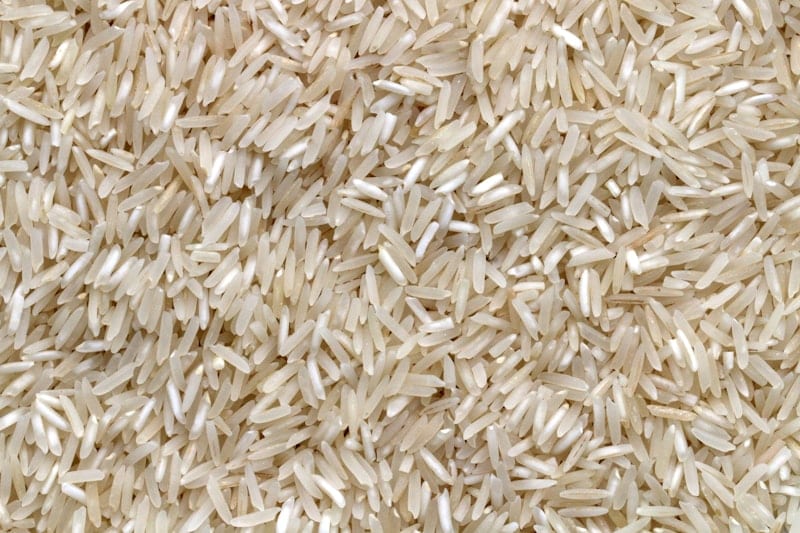
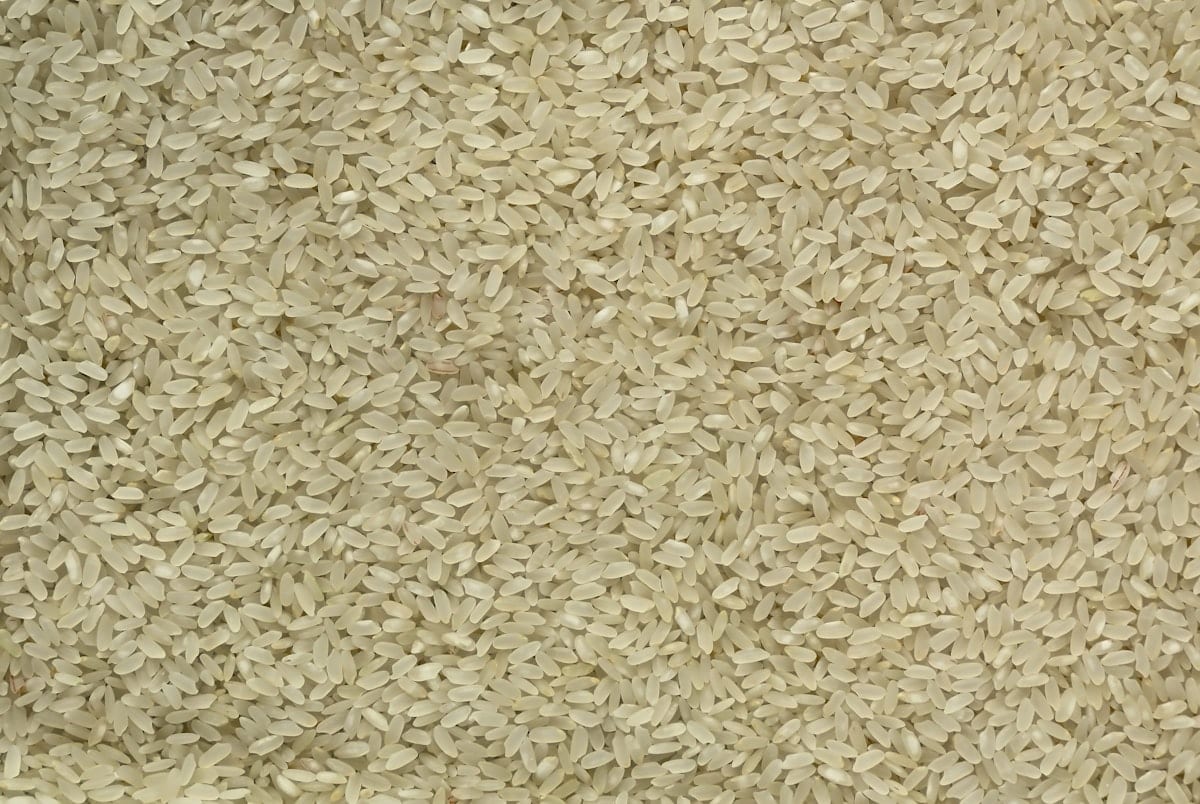
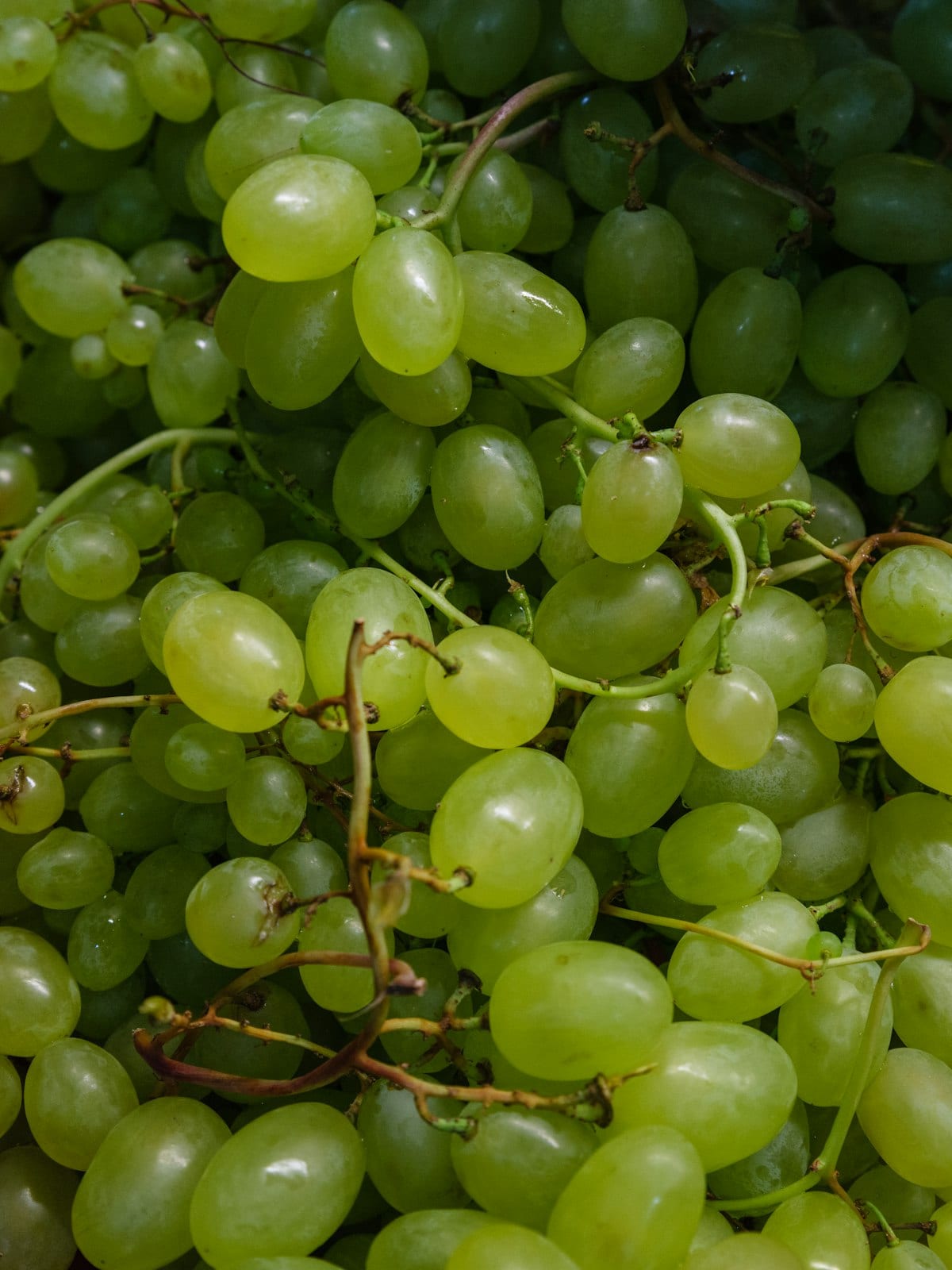
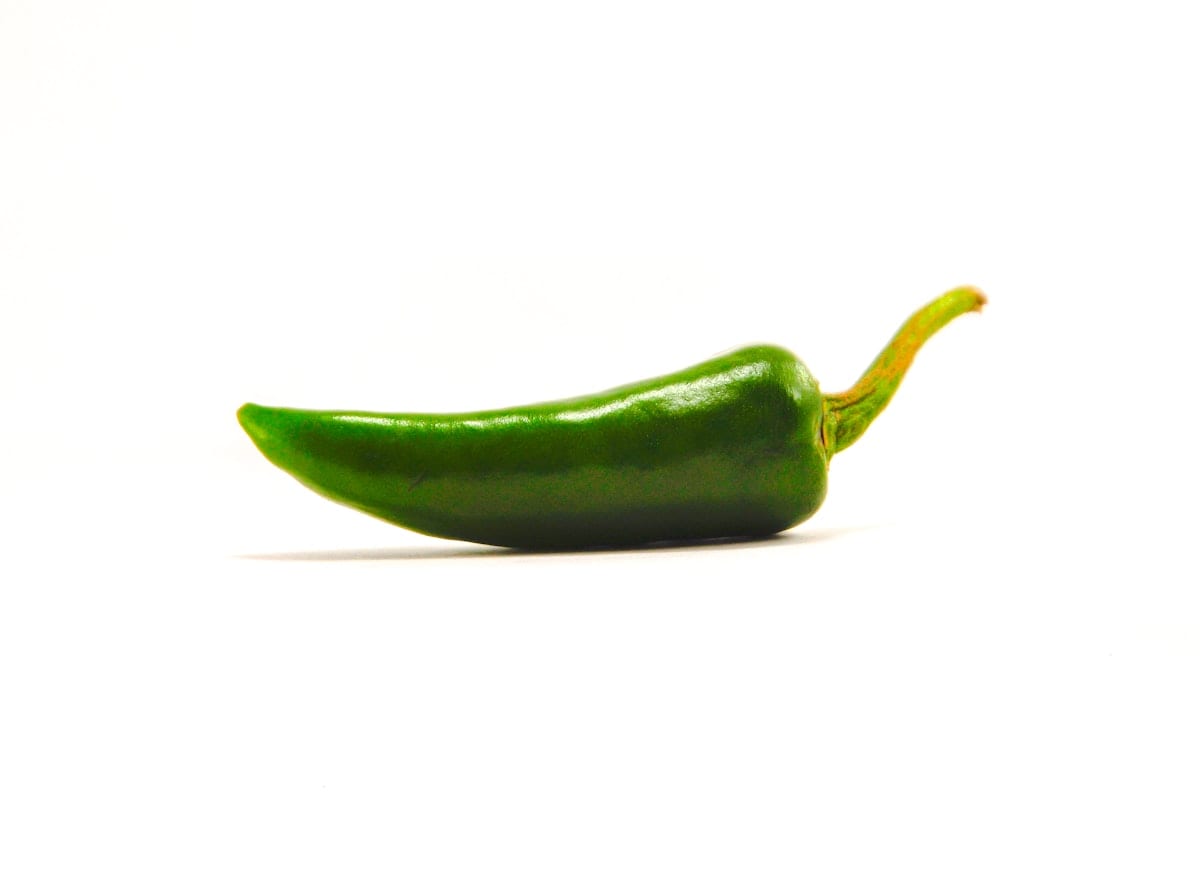
India exported over ₹1,00,000 Cr in total goods to UAE in FY2024-25, making it India's 3rd-largest trading partner. Agricultural commodities account for a significant share, led by Basmati rice (₹1,608 Cr), cumin (₹736 Cr), non-Basmati rice (₹768 Cr), and fresh produce.
Active Trade Agreement
India-UAE Comprehensive Economic Partnership Agreement (CEPA)
Zero or significantly reduced import duty on most Indian agricultural products under CEPA, effective May 2022 — the first FTA India signed in a decade.
Trade Relationship
Why UAE Sources Agricultural Products from India
India's geographic proximity, competitive pricing, and established compliance infrastructure make it a preferred supplier for United Arab Emirates's agricultural import needs.
UAE imports over 80% of its food — India is consistently its #1 source for agricultural commodities, supplying spices, fresh produce, rice, pulses, and processed foods at scale.
India-UAE CEPA (May 2022) makes Indian origin more cost-competitive than alternatives from Pakistan, Australia, or Turkey for most product categories.
Jebel Ali is the world's largest man-made port — logistics from Mundra to Jebel Ali run on established reefer and dry-van schedules with predictable 10–14 day transit.
38% of UAE's population is of Indian origin — creating a substantial retail demand base for Indian-specific product formats (Basmati varieties, specific spice grades, Indian mango varieties).
The UAE's re-export role in the Gulf means Indian product destined for Saudi Arabia, Oman, Qatar, Kuwait, and Bahrain often transits through Jebel Ali — one Indian supplier can service the full GCC region.
Compliance Framework
Importing into UAE — Regulatory Requirements
Import Authority
UAE MoCC / MOCCAE
The UAE Ministry of Climate Change and Environment governs food and agricultural imports — issuing import permits, setting pesticide MRL standards, and mandating halal certification for all food products.
Halal Certification Required
All food products entering United Arab Emirates must carry halal certification from a UAE MoCC / MOCCAE-approved certifying body. Oceanis coordinates halal documentation as part of standard export compliance.
Standard Import Documentation
- Halal certification from a UAE MoCC-approved certifying body — mandatory for all food products
- UAE MoCC import permit (obtained by the UAE importer)
- Phytosanitary certificate from NPPO India (for fresh produce and plant-based products)
- Certificate of Origin (to claim CEPA preferential tariff rate)
- FSSAI Export Certificate and APEDA Registration Certificate
- Pesticide MRL compliance per UAE/Gulf Cooperation Council standards
Shipping & Logistics
India to UAE — Logistics Overview
Primary Entry Port
Jebel Ali, Dubai
Sea Transit from Mundra
10–14 days
Origin Port
Mundra / Nhava Sheva (JNPT)
Container Types
Dry van · Reefer · Flexitank (product-dependent)
Products We Export to UAE
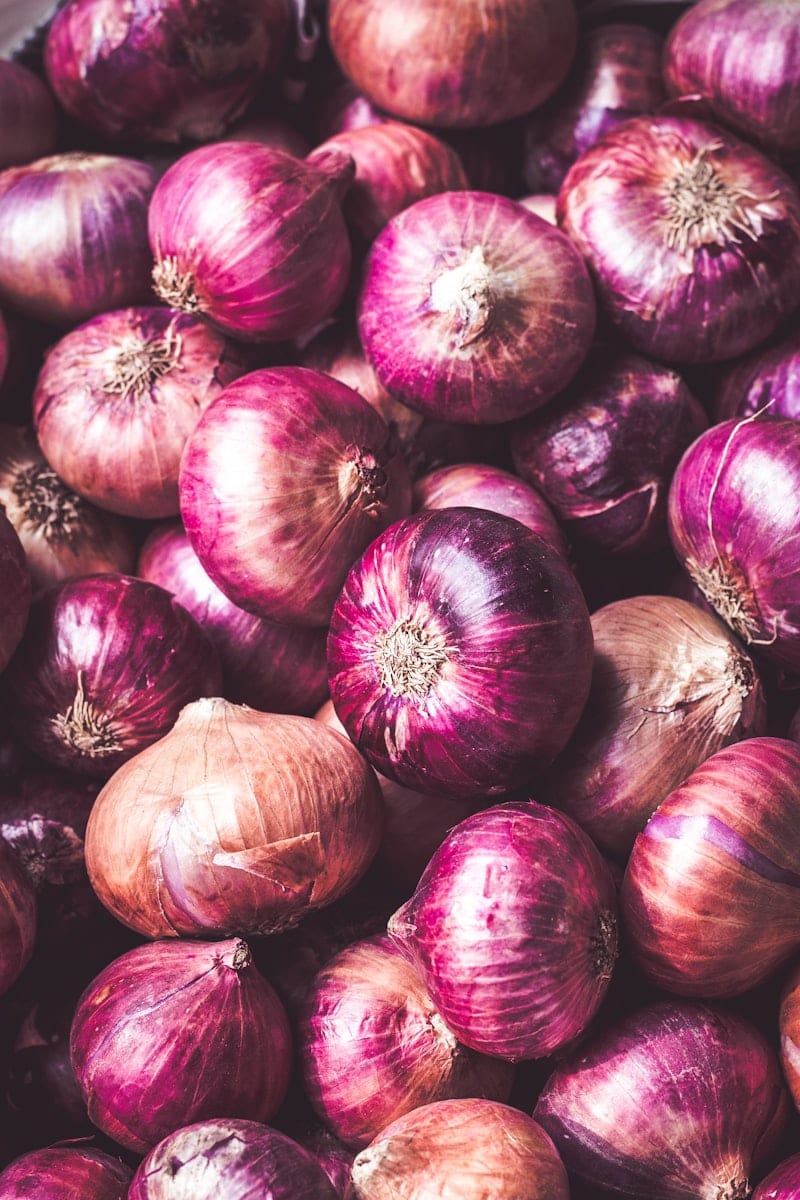
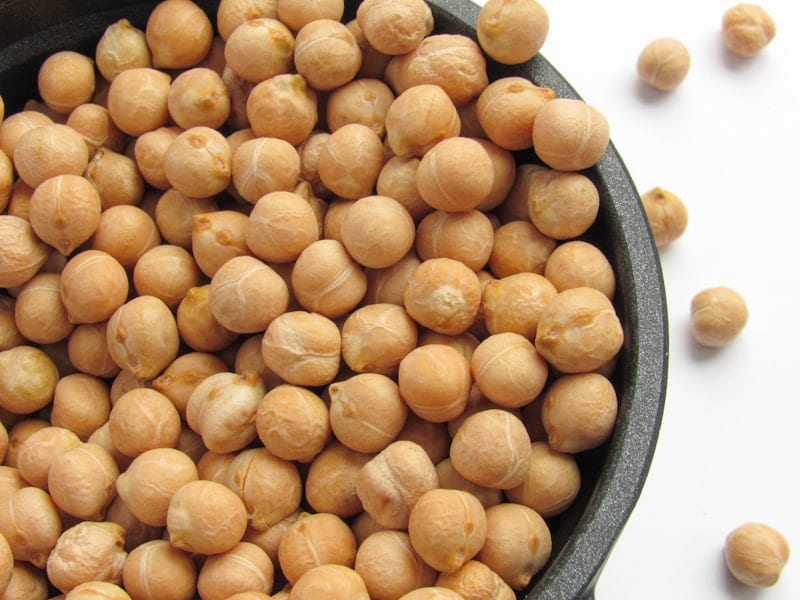
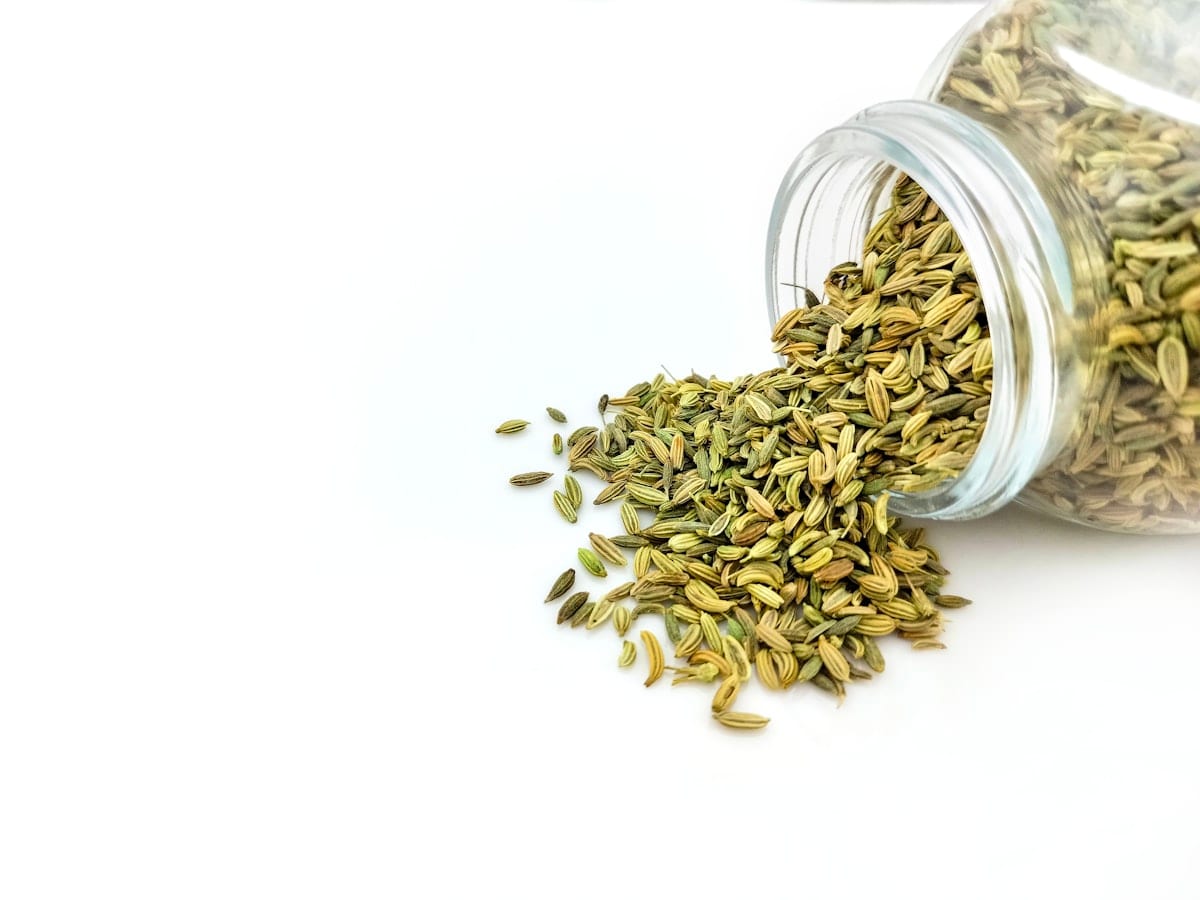
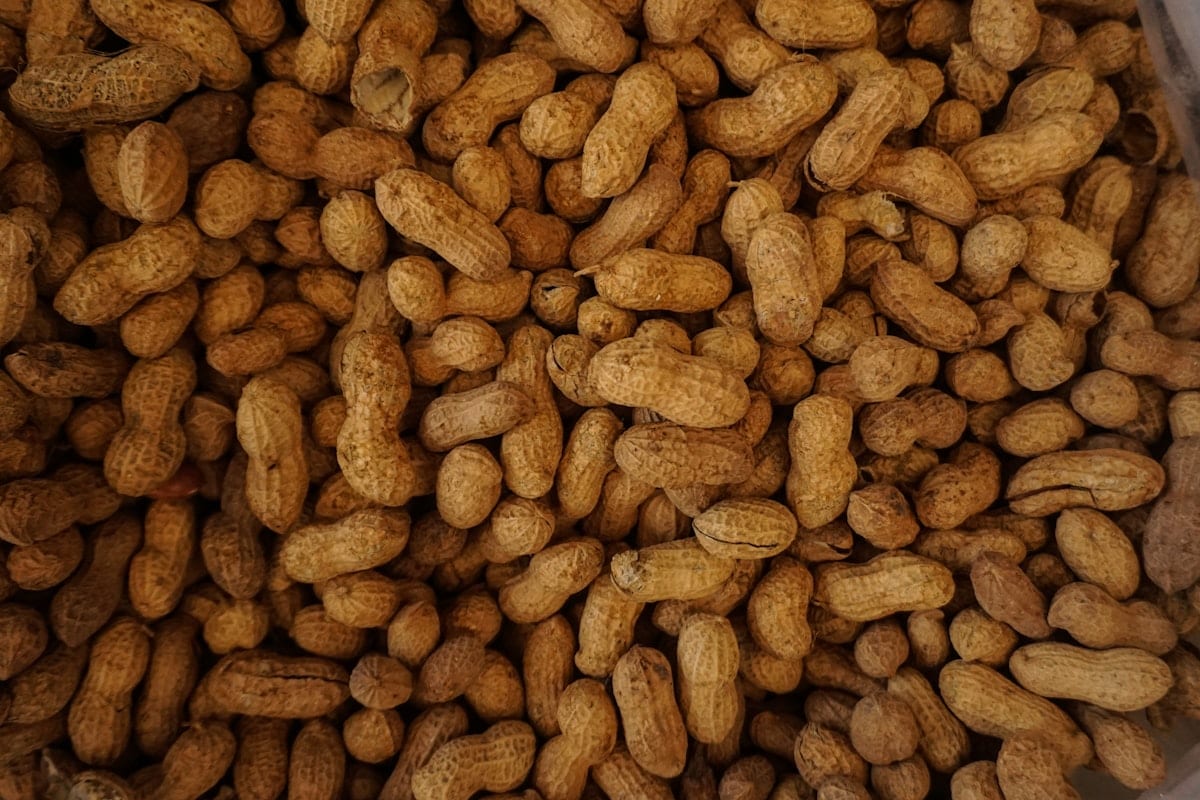
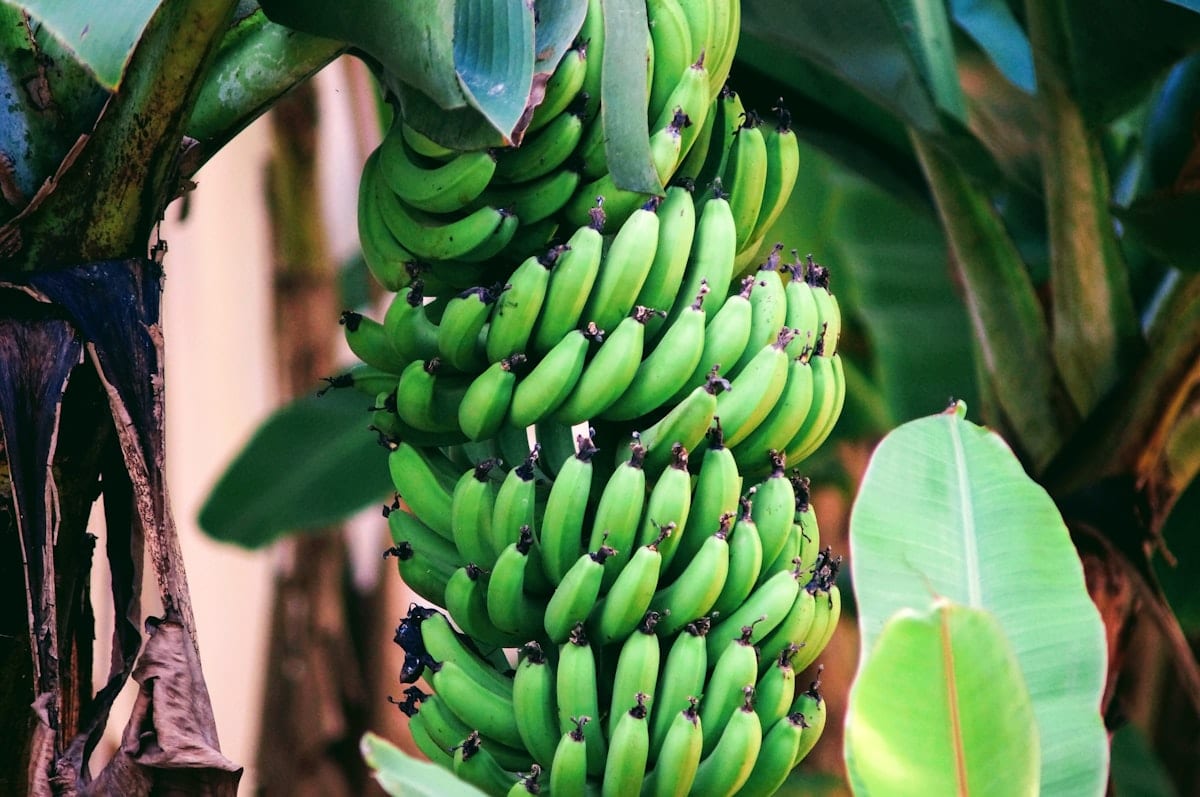
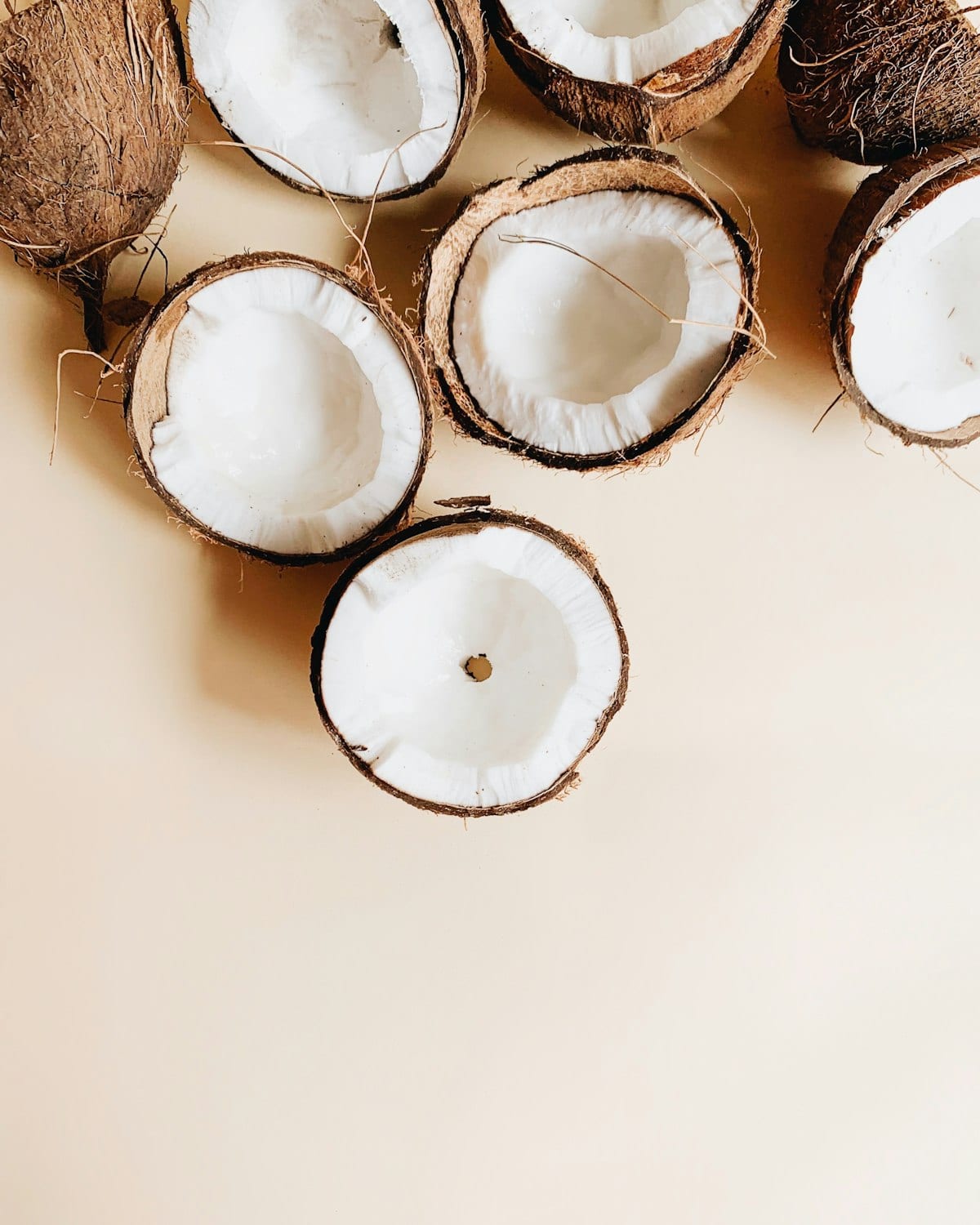
12 Products Available for UAE
All products are APEDA registered, FSSAI licensed, and shipped with full export documentation. Contact us to request specifications or pricing.


Ready to Import from India?
Get a Quote for UAE
Share your product, destination port, and volume — we'll respond within one business day with CIF Jebel Ali, Dubai pricing and availability.