India → Egypt
🇪🇬 Exporting Agricultural Products from India to Egypt
India–Egypt bilateral trade reached US$5.2 billion in 2024-25, with Indian exports at US$3.84 billion. Egypt imported around US$300 million of Indian basmati rice, spices and fruit in 2024, with India's rice exports to Egypt at roughly US$114 million in 2025. Kabuli chickpea is a key secondary category at ₹103 Cr.
Trade Relationship
Why Egypt Sources Agricultural Products from India
India's geographic proximity, competitive pricing, and established compliance infrastructure make it a preferred supplier for Egypt's agricultural import needs.
India–Egypt bilateral trade reached US$5.2 billion in 2024-25 with a clear Indian export surplus, and both governments have set a public target of tripling trade to US$12 billion within five years.
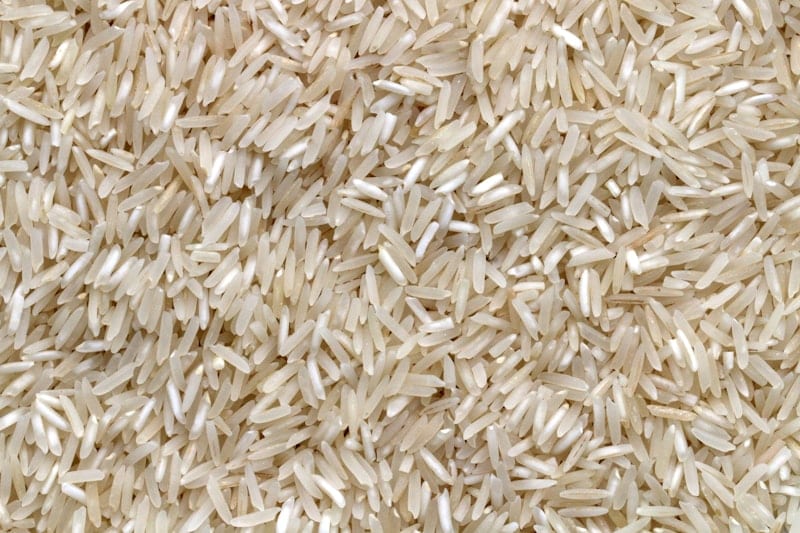
Basmati rice is India's leading agri-export to Egypt — Egypt imported around US$300 million of Indian basmati rice, spices and fruit in 2024, and Egypt's own rice production is a fraction of its consumption need.
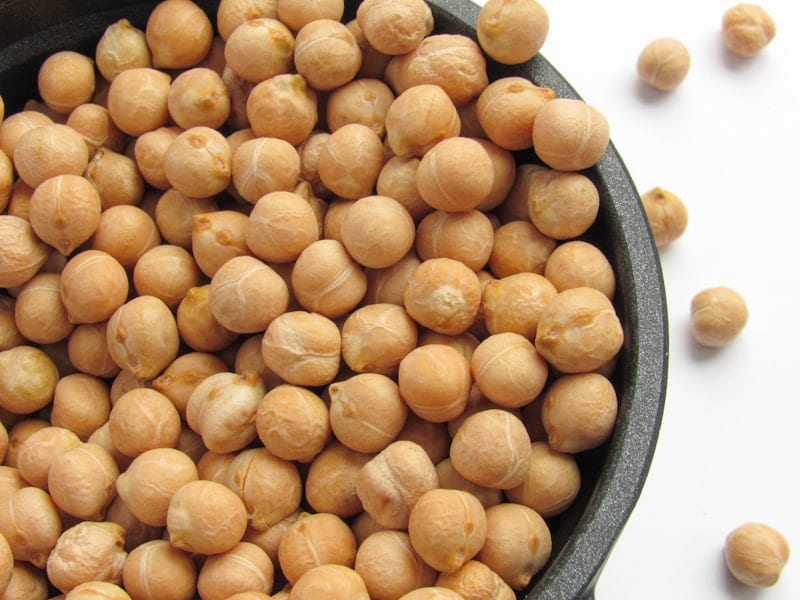
Kabuli chickpea (₹103 Cr) is a notable secondary category — Egyptian and broader Middle Eastern demand for chickpea in hummus and legume-based food manufacturing draws on Indian supply alongside Turkish and Mexican origin.
Alexandria and Port Said sit directly on the Suez Canal corridor — a 14–18 day transit from Mundra makes Egypt one of the faster African/Mediterranean markets to reach, and Egypt's re-export links into North Africa and the Eastern Mediterranean extend an Indian supplier's effective reach well past Egyptian consumption alone.
There is no India–Egypt FTA — trade runs on the 1978 bilateral agreement and MFN rates — so landed cost, transit reliability and clean GOEIC/NFSA documentation carry the competitive weight that a tariff preference would otherwise provide.
Compliance Framework
Importing into Egypt — Regulatory Requirements
Import Authority
NFSA / GOEIC
The National Food Safety Authority (NFSA) sets Egypt's food safety standards and phytosanitary requirements, with every phytosanitary certificate required to reference the specific import permit for that shipment. GOEIC (General Organization for Export & Import Control) handles trade registration, documentary review, and on-site inspection or laboratory testing of consignments at the port of entry, and administers Certificate of Origin requirements for customs clearance.
Halal Certification Required
All food products entering Egypt must carry halal certification from a NFSA / GOEIC-approved certifying body. Oceanis coordinates halal documentation as part of standard export compliance.
Standard Import Documentation
- Import permit referenced on the phytosanitary certificate — Egypt requires the phytosanitary certificate to cite the specific import permit for that shipment
- Phytosanitary certificate from India NPPO meeting NFSA-specified conditions for the product
- GOEIC registration for exporters of specified retail-packaged products under Decree 43 (2016)
- Halal certification from a recognised certifying body — required for meat, dairy and an expanding list of food categories under Egypt's 2021 WTO TBT notification
- Certificate of Origin issued through GOEIC-recognised chambers of commerce
- Arabic-language labelling for retail-ready packaged products
- FSSAI Export Certificate and APEDA Registration Certificate
Shipping & Logistics
India to Egypt — Logistics Overview
Primary Entry Port
Alexandria / Port Said
Sea Transit from Mundra
14–18 days
Origin Port
Mundra / Nhava Sheva (JNPT)
Container Types
Dry van · Reefer · Flexitank (product-dependent)
Products We Export to Egypt
2 Products Available for Egypt
All products are APEDA registered, FSSAI licensed, and shipped with full export documentation. Contact us to request specifications or pricing.
Ready to Import from India?
Get a Quote for Egypt
Share your product, destination port, and volume — we'll respond within one business day with CIF Alexandria / Port Said pricing and availability.