India → Brazil
🇧🇷 Exporting Agricultural Products from India to Brazil
India–Brazil bilateral trade reached US$15.21 billion in 2025 with Indian exports at US$8.35 billion — a 21.6% increase over 2024 and India's largest trade relationship in Latin America. Dried onion leads the agri-food basket at ₹198 Cr, making Brazil one of India's top dehydrated-onion destinations worldwide.
Active Trade Agreement
India–MERCOSUR Preferential Trade Agreement (PTA)
In force since June 2009, the PTA gives MERCOSUR-side tariff preferences on 452 lines at margins of 10–100%, claimable with a MERCOSUR-format Certificate of Origin. Both sides agreed in 2025 to expand coverage to 1,500–2,000 tariff lines as part of a US$20 billion bilateral trade target for 2030.
Trade Relationship
Why Brazil Sources Agricultural Products from India
India's geographic proximity, competitive pricing, and established compliance infrastructure make it a preferred supplier for Brazil's agricultural import needs.
Brazil is India's largest trading partner in Latin America — bilateral trade reached US$15.21 billion in 2025 with Indian exports at US$8.35 billion, up 21.6% year on year, and both governments are working to a US$20 billion target by 2030.
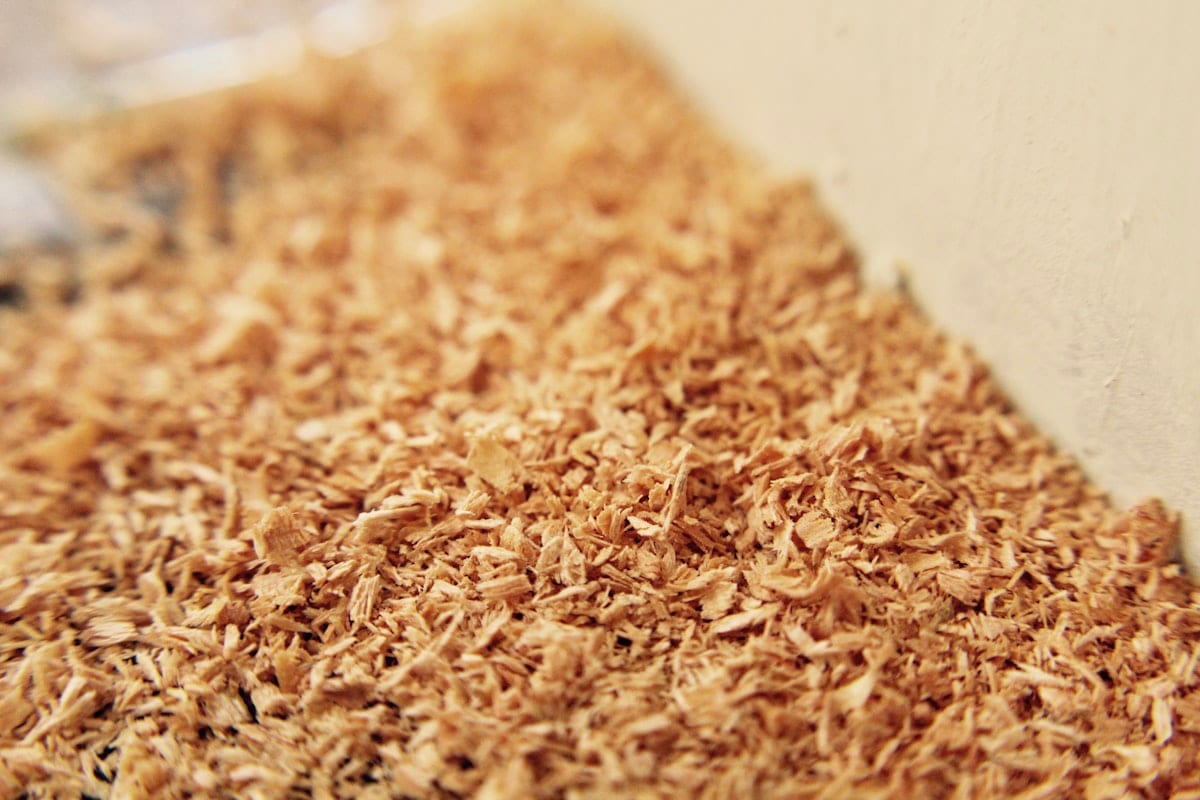
Dried onion is the anchor category at ₹198 Cr, placing Brazil among India's top four dehydrated-onion markets worldwide. Brazilian seasoning, sauce, snack and ready-meal manufacturers cannot source the volume or the low-moisture specification domestically.
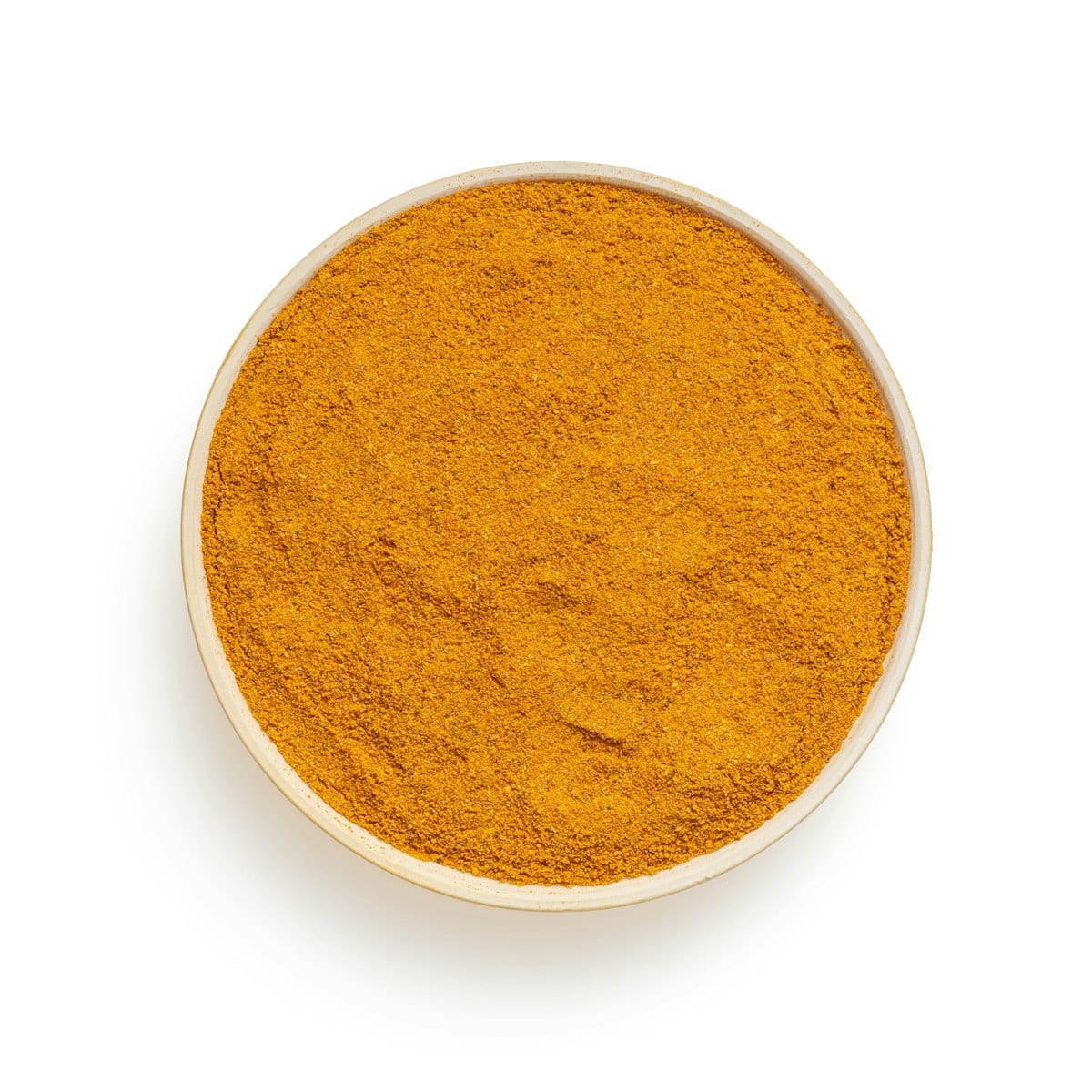
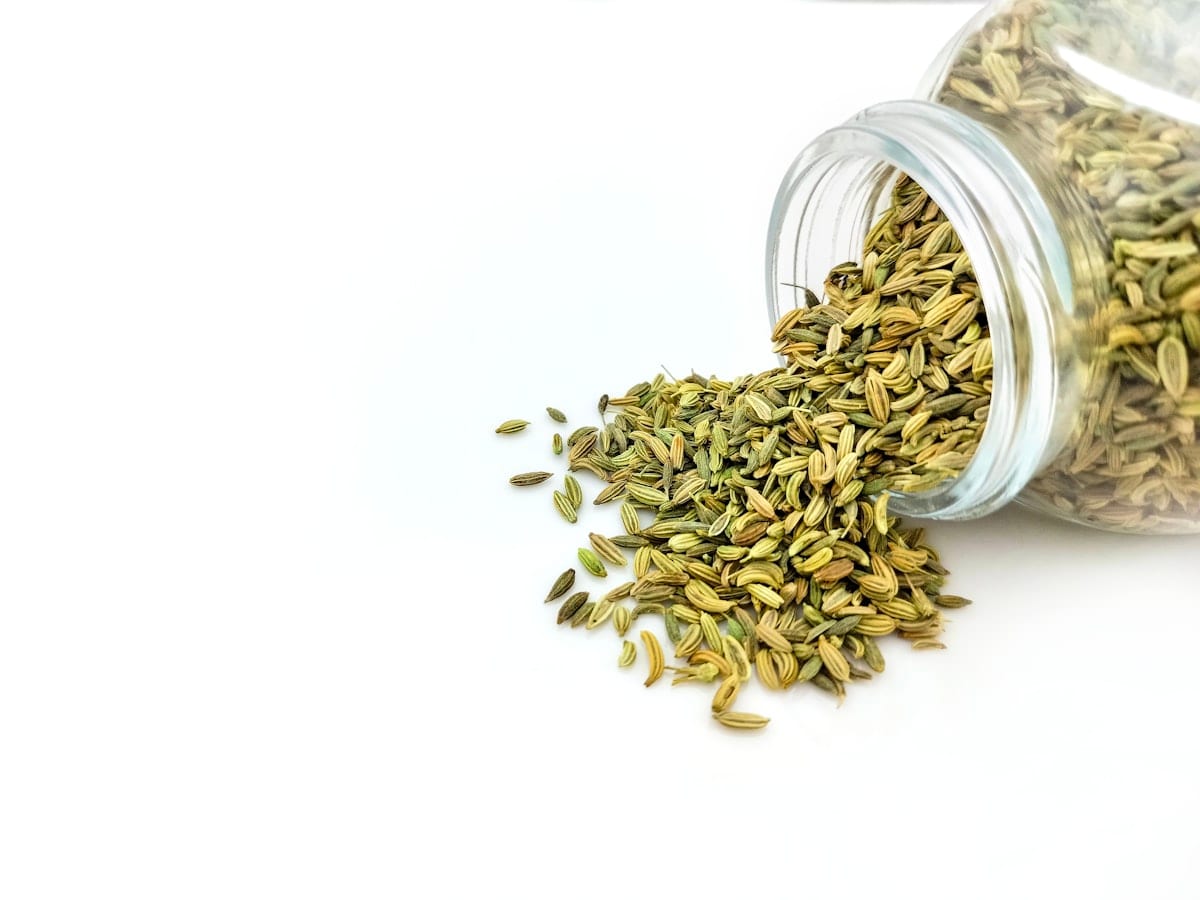
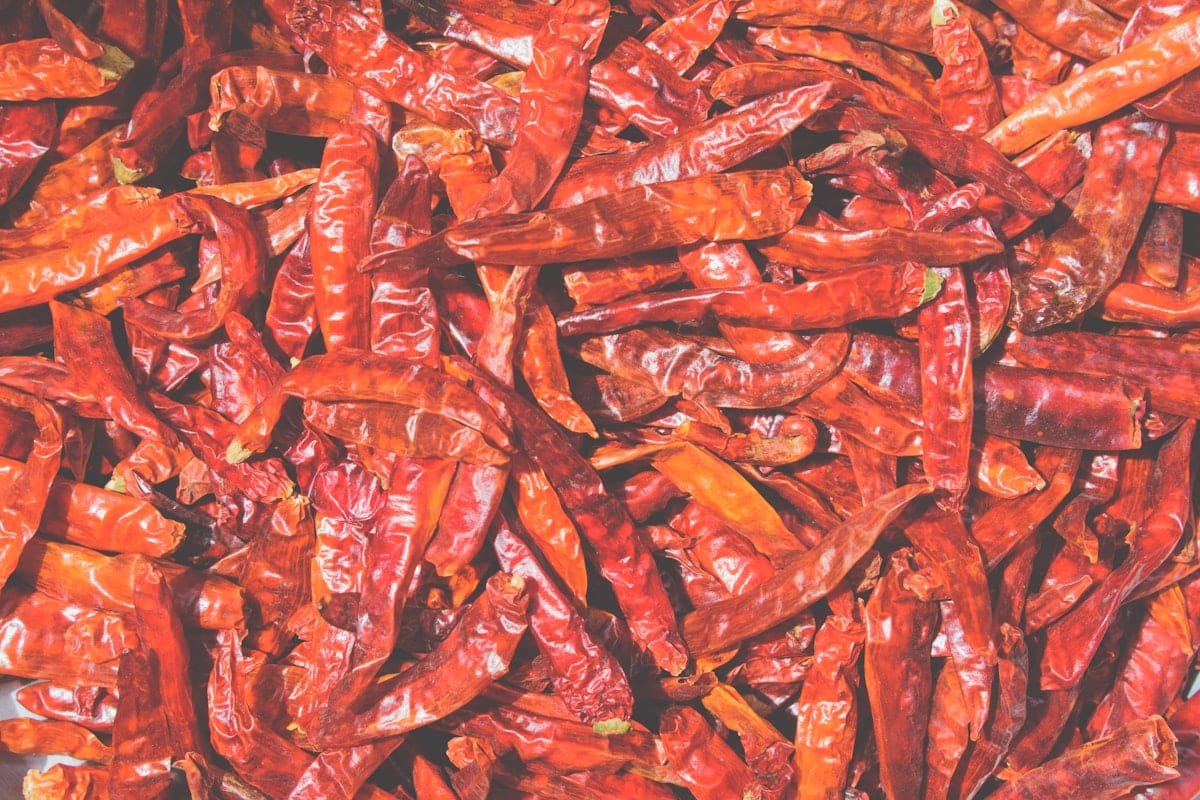
Brazil is agriculturally self-sufficient in bulk commodities but structurally short on tropical and sub-tropical spices — cumin, turmeric and dried chilli are imported, and Indian origin competes on both price and volume against Syrian, Turkish and Chinese supply.
The India–MERCOSUR PTA is one of the few preferential instruments India holds anywhere in the Americas. Where a tariff line is covered, the margin of preference against the MERCOSUR Common External Tariff is real money — and expansion negotiations are actively underway.
Brazil's regulatory reality shapes what can actually ship: MAPA requires a completed Pest Risk Analysis (ARP) and PVIA listing before any new fresh plant product from a given origin is admitted. Oceanis therefore focuses Brazil-bound supply on dehydrated, powdered and processed formats with an established pathway — rather than promising fresh produce access that does not yet exist.
Compliance Framework
Importing into Brazil — Regulatory Requirements
Import Authority
MAPA / ANVISA
MAPA (Ministério da Agricultura e Pecuária) controls plant-origin imports through its VIGIAGRO border service — setting phytosanitary requirements and maintaining the PVIA list of plant products authorised for import. ANVISA (Agência Nacional de Vigilância Sanitária) regulates processed foods and requires the Brazilian importer to hold a valid AFE licence. Every consignment needs an Import Licence (LI) filed in SISCOMEX before the vessel sails.
Standard Import Documentation
- Import Licence (LI) filed in SISCOMEX by the Brazilian importer before shipment — required for plant-origin and processed food consignments
- MAPA PVIA listing and a completed Pest Risk Analysis (ARP) — a prerequisite before any fresh plant product from India may be imported
- Phytosanitary certificate from India NPPO meeting the specific MAPA phytosanitary requirements published for that product and origin
- ANVISA registration or notification for processed foods; the Brazilian importer must hold a valid AFE (Autorização de Funcionamento de Empresa)
- Portuguese-language labelling per ANVISA RDC 429/2020 and RDC 727/2022, with allergen declaration under RDC 26/2015
- Pesticide residue compliance per ANVISA monographs — active ingredients not registered in Brazil carry a zero-tolerance limit regardless of the level detected
- MERCOSUR-format Certificate of Origin to claim India–MERCOSUR PTA preferential duty
- VIGIAGRO border inspection on arrival — documentary check, physical inspection, and laboratory analysis at MAPA's discretion
- FSSAI Export Certificate and APEDA Registration Certificate
Shipping & Logistics
India to Brazil — Logistics Overview
Primary Entry Port
Santos / Paranaguá
Sea Transit from Mundra
30–36 days
Origin Port
Mundra / Nhava Sheva (JNPT)
Container Types
Dry van · Reefer · Flexitank (product-dependent)
Products We Export to Brazil
5 Products Available for Brazil
All products are APEDA registered, FSSAI licensed, and shipped with full export documentation. Contact us to request specifications or pricing.
Ready to Import from India?
Get a Quote for Brazil
Share your product, destination port, and volume — we'll respond within one business day with CIF Santos / Paranaguá pricing and availability.