India → Germany
🇩🇪 Exporting Agricultural Products from India to Germany
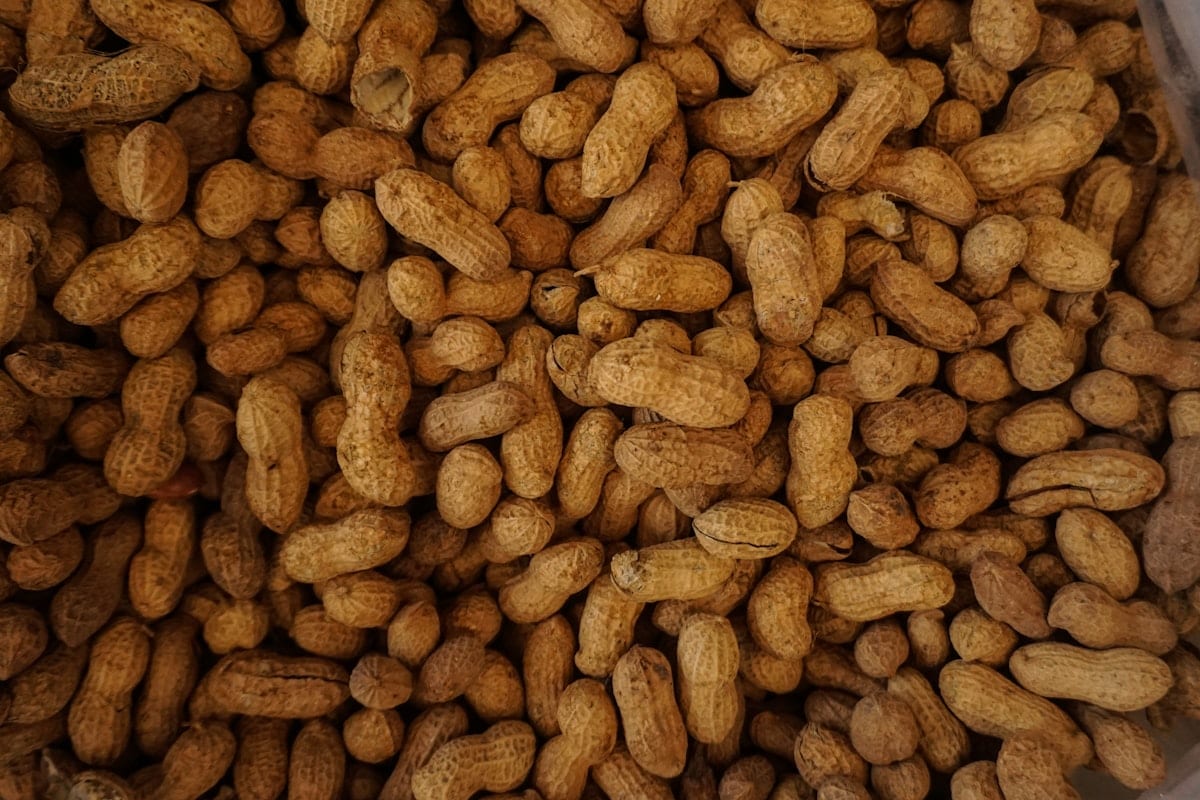
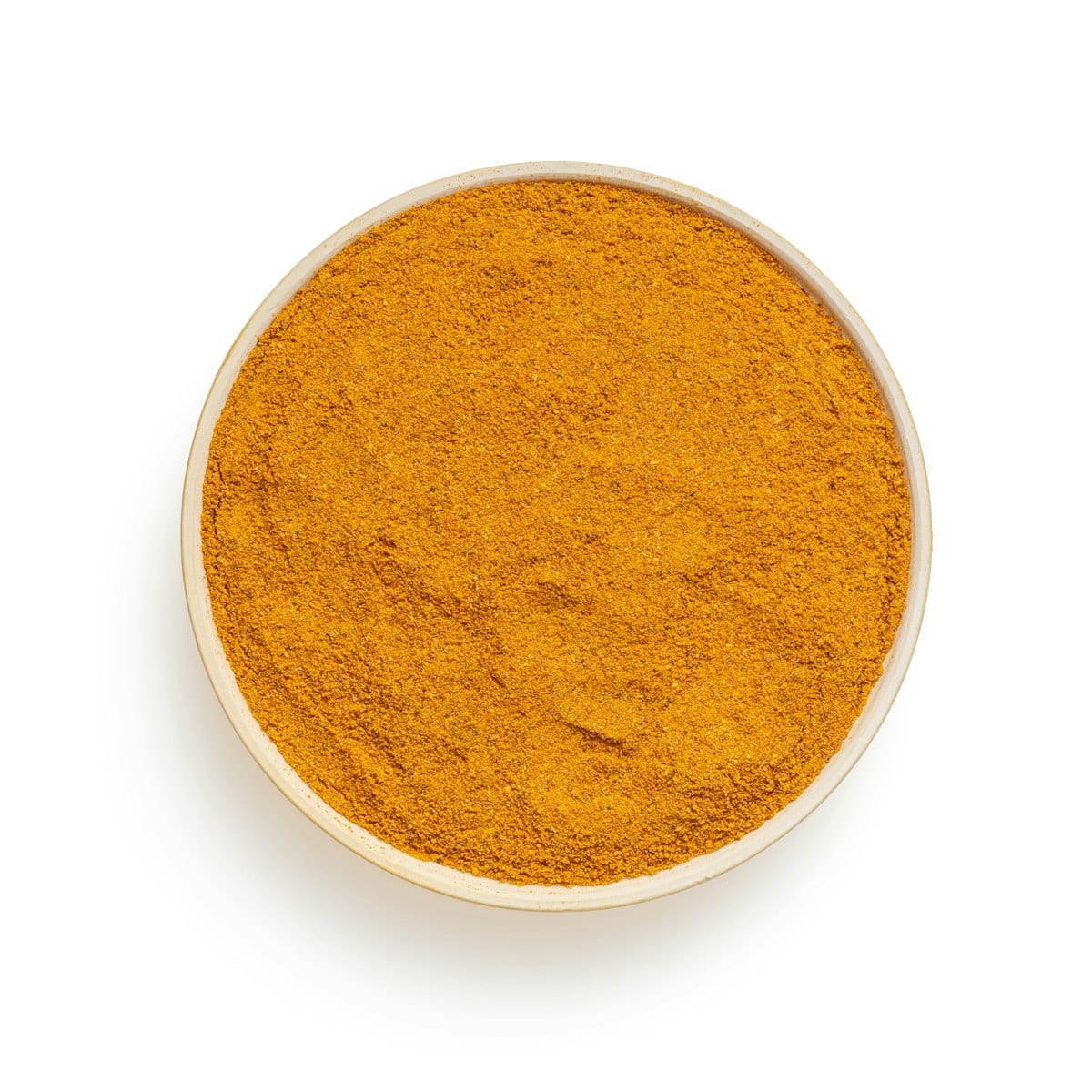
Germany is India's largest EU trading partner, with bilateral goods trade at a record US$33.4 billion in 2024 and Indian exports of US$15.09 billion. Leading Indian agri-food exports to Germany: gherkins in vinegar (₹328 Cr), dried onion (₹206 Cr), prepared groundnut (₹110 Cr), turmeric (₹97 Cr), and mango pulp (₹56 Cr).
Active Trade Agreement
India–EU Free Trade Agreement (negotiations concluded January 2026)
Immediate duty elimination on 70.4% of tariff lines covering 90.7% of India's exports — including spices, tea, coffee, grapes, dried onion, cucumbers and processed foods — with a further 20.3% of lines moving to zero duty over 3–5 years. The text was closed at negotiator level on 27 January 2026 and now goes through legal scrub, translation and ratification, so MFN rates still apply at the border until it enters into force.
Trade Relationship
Why Germany Sources Agricultural Products from India
India's geographic proximity, competitive pricing, and established compliance infrastructure make it a preferred supplier for Germany's agricultural import needs.
Germany is India's largest trading partner in the European Union — bilateral goods trade hit an all-time high of US$33.4 billion in 2024, with Indian exports at US$15.09 billion. Banking relationships, freight capacity, and customs practice on this lane are mature, so agri-commodities move on established routines rather than a cold start.
Gherkins are India's flagship processed-food success story in Germany at ₹328 Cr — Karnataka-origin gherkins in vinegar supply German retail and private-label brands at scale. Dried onion (₹206 Cr) is the second pillar, feeding German soup, sauce, seasoning and convenience-food manufacturers on year-round contracts.
Germany ranks among Europe's top five spice importers with annual spice imports above €900 million, and German spice imports from India have grown more than 20% over the last five years — led by turmeric (₹97 Cr), chilli, and pepper.
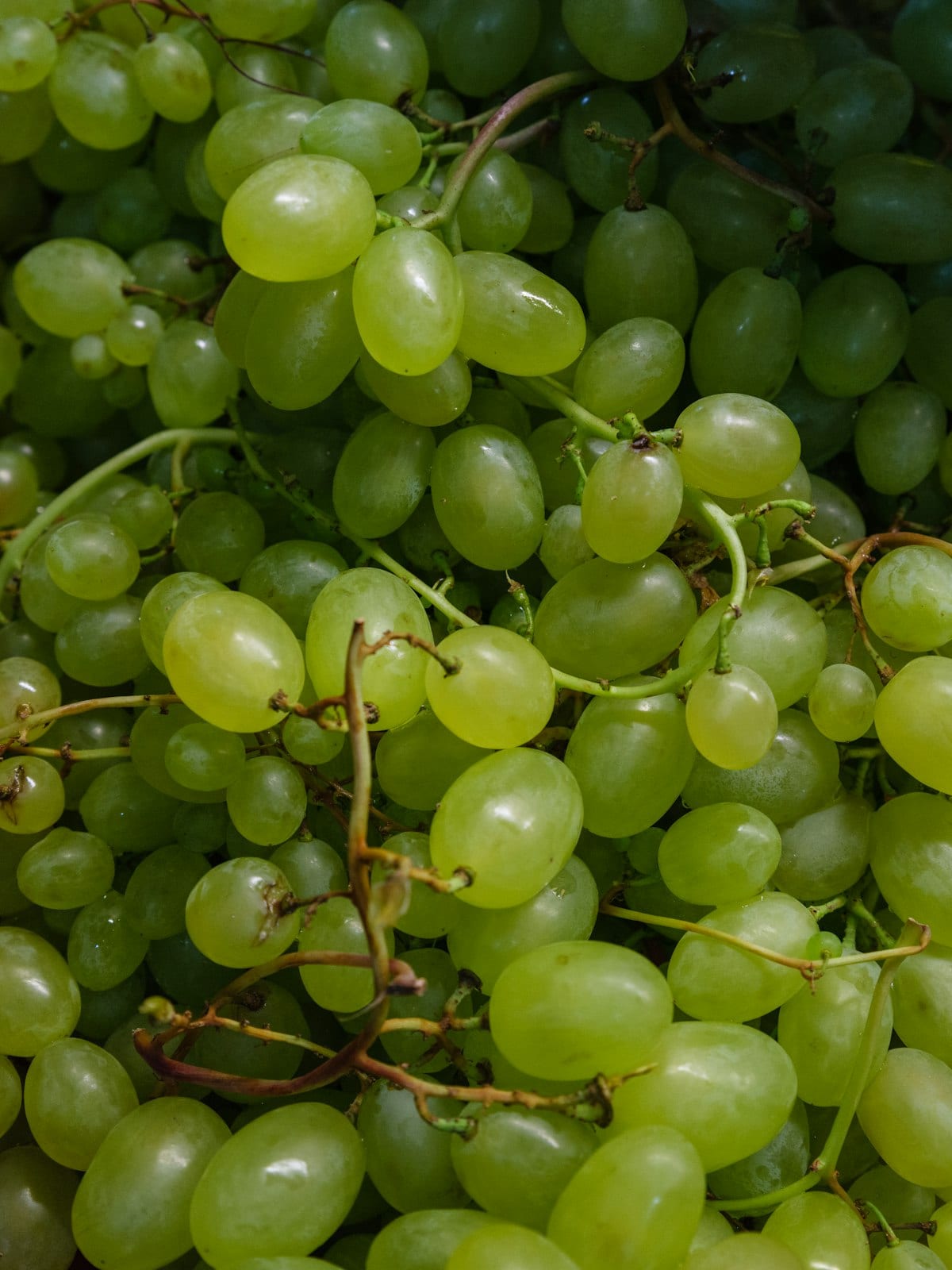
The India–EU FTA concluded in January 2026 removes the 3–9% duties Indian spices currently face entering the EU and grants preferential access to dried onion, cucumbers and gherkins, grapes, and processed foods — materially improving India's position against Turkish, Egyptian and Peruvian supply once the agreement is ratified.
German buyers qualify suppliers on documentation as much as on price. EU MRL compliance (Reg. 396/2005), contaminant limits (Reg. 2023/915), lot-level traceability, and increasingly EU Organic (Bio) and Fairtrade certification are the real gate — Oceanis sources from processors already exporting into the EU under these regimes.
Compliance Framework
Importing into Germany — Regulatory Requirements
Import Authority
BVL / BLE (EU Official Controls)
Food imports into Germany are governed by EU law. The BVL (Federal Office of Consumer Protection and Food Safety) sets residue and contaminant enforcement policy, the BLE (Federal Office for Agriculture and Food) administers import licensing, and the Länder food control authorities inspect at destination. Consignments of plant origin clear through an EU Border Control Post — Hamburg for most Indian-origin cargo — against a CHED-PP pre-notified in TRACES NT under Regulation (EU) 2017/625.
Standard Import Documentation
- CHED-PP pre-notification in TRACES NT and clearance through an EU Border Control Post (Hamburg / Bremerhaven) under Regulation (EU) 2017/625
- Phytosanitary certificate from India NPPO — mandatory for all plant products entering the EU under Regulation (EU) 2016/2031
- Pesticide MRL compliance per Regulation (EC) No 396/2005 — EU limits are among the strictest globally, and ethylene oxide is a zero-tolerance parameter
- Contaminant limits per Commission Regulation (EU) 2023/915 — aflatoxin B1 ≤5 µg/kg and total aflatoxins ≤10 µg/kg for most spices
- Increased official controls under Regulation (EU) 2019/1793 — as amended by Implementing Regulation (EU) 2026/194, Indian nutmeg (aflatoxins) and vanilla and cloves (ethylene oxide) carry border-check frequencies; okra and guar gum were delisted in January 2026
- EU food information labelling per Regulation (EU) No 1169/2011 — German-language labelling for retail-ready packs
- EU Organic certification under Regulation (EU) 2018/848 where product is marketed as Bio
- Certificate of Origin — EUR.1 or origin declaration once the India–EU FTA enters into force
- FSSAI Export Certificate and APEDA Registration Certificate
Shipping & Logistics
India to Germany — Logistics Overview
Primary Entry Port
Hamburg / Bremerhaven
Sea Transit from Mundra
20–25 days
Origin Port
Mundra / Nhava Sheva (JNPT)
Container Types
Dry van · Reefer · Flexitank (product-dependent)
Products We Export to Germany
7 Products Available for Germany
All products are APEDA registered, FSSAI licensed, and shipped with full export documentation. Contact us to request specifications or pricing.


Ready to Import from India?
Get a Quote for Germany
Share your product, destination port, and volume — we'll respond within one business day with CIF Hamburg / Bremerhaven pricing and availability.