India → the Philippines
🇵🇭 Exporting Agricultural Products from India to the Philippines
India's exports to the Philippines totalled US$2.2 billion in 2024. The Philippines is India's largest global market for frozen potato (₹545 Cr) and a major buyer of shelled groundnut (₹436 Cr) — both anchored by the country's QSR and snack-food sectors.
Active Trade Agreement
ASEAN-India Free Trade Agreement (AIFTA)
AIFTA preferential tariffs apply to most Indian agricultural exports to the Philippines, improving India's cost position for frozen and processed foods against competing ASEAN and Chinese origin — though the Philippines' own AIFTA ratification and product-line coverage moved more slowly than founding ASEAN members, so exporters should confirm tariff-line eligibility per shipment.
Trade Relationship
Why the Philippines Sources Agricultural Products from India
India's geographic proximity, competitive pricing, and established compliance infrastructure make it a preferred supplier for the Philippines's agricultural import needs.
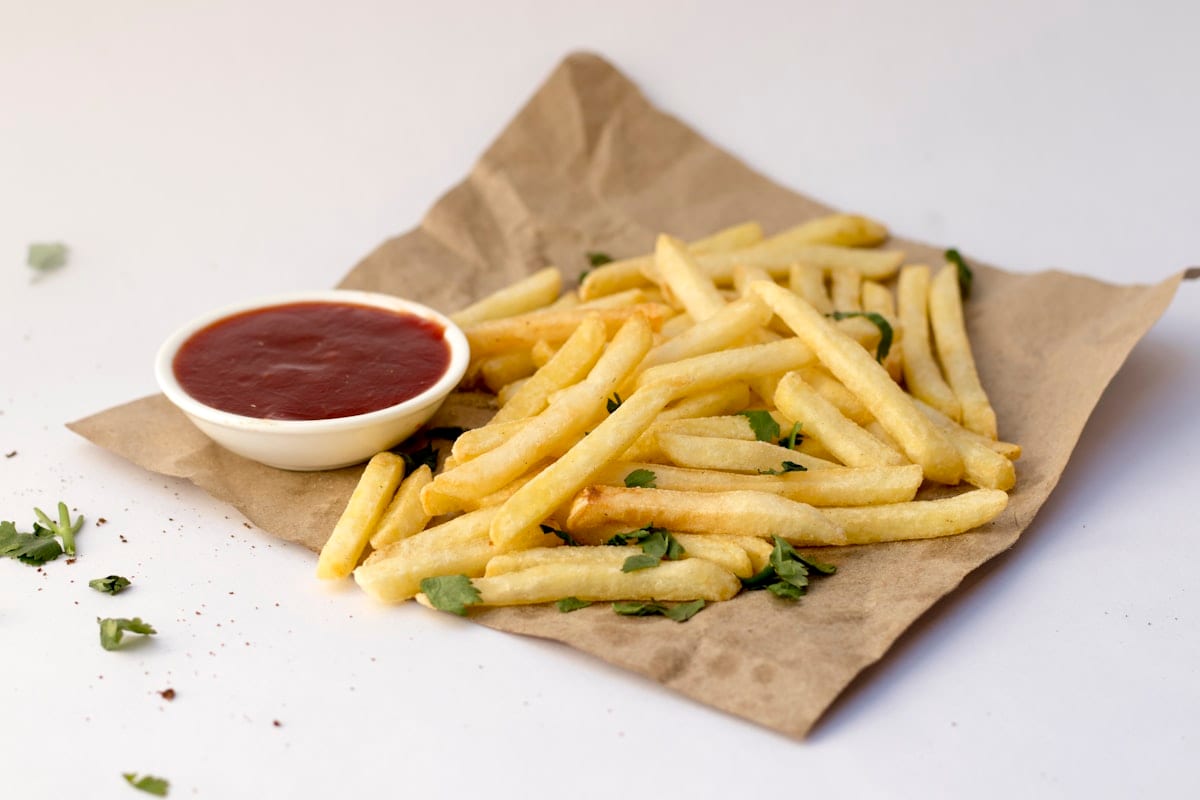
The Philippines is India's largest export market for frozen potato at ₹545 Cr — ahead of every other Oceanis destination — driven by one of Southeast Asia's fastest-growing QSR sectors (Jollibee, McDonald's, KFC, and local chains) that cannot source frozen fry-cut potato locally at scale.
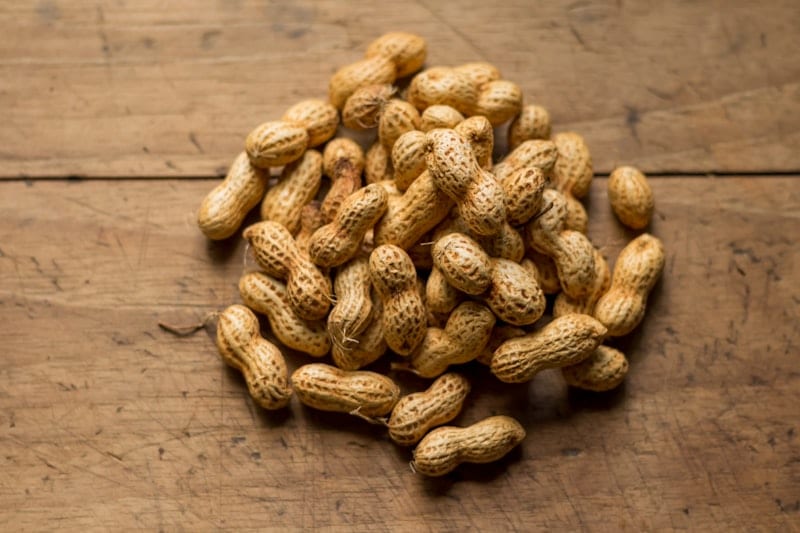
Groundnut is the second pillar at ₹436 Cr, feeding a Filipino snack-food industry with strong per-capita peanut and peanut-butter consumption.
The Philippines imports the large majority of its rice and a significant share of its processed-food inputs — it is structurally import-dependent for the categories India supplies, not a marginal or seasonal buyer.
SPSIC import clearance is issued per shipment by the Philippine importer, which places most of the compliance burden on the buyer side — Oceanis's role is to supply consistent phytosanitary documentation from India NPPO so each SPSIC application clears without delay.
Manila's container throughput has grown alongside the Philippines' consumer economy, and AIFTA tariff preferences give Indian frozen and processed agri-exports a real cost edge over non-ASEAN competitors on covered lines.
Compliance Framework
Importing into the Philippines — Regulatory Requirements
Import Authority
Bureau of Plant Industry (BPI) / Philippine FDA
The Bureau of Plant Industry (BPI) issues the Sanitary and Phytosanitary Import Clearance (SPSIC) for fresh plant products, which doubles as the import license and is applied for by the Philippine importer for each shipment — valid 60 days from issuance. The Philippine FDA regulates processed food products under its food safety mandate.
Standard Import Documentation
- Sanitary and Phytosanitary Import Clearance (SPSIC) from BPI, BAI or BFAR as applicable — obtained by the Philippine importer, valid 60 days from issuance
- Phytosanitary certificate from India NPPO for fresh and plant-origin products
- Philippine FDA registration and clearance for processed food products
- Certificate of Origin (Form AI) to claim AIFTA preferential tariff
- English-language labelling per Philippine FDA labelling rules (English is an official language, easing this requirement relative to most Oceanis markets)
- FSSAI Export Certificate and APEDA Registration Certificate
Shipping & Logistics
India to the Philippines — Logistics Overview
Primary Entry Port
Manila (North Harbor / MICT)
Sea Transit from Mundra
22–26 days
Origin Port
Mundra / Nhava Sheva (JNPT)
Container Types
Dry van · Reefer · Flexitank (product-dependent)
Products We Export to the Philippines
2 Products Available for the Philippines
All products are APEDA registered, FSSAI licensed, and shipped with full export documentation. Contact us to request specifications or pricing.
Ready to Import from India?
Get a Quote for the Philippines
Share your product, destination port, and volume — we'll respond within one business day with CIF Manila (North Harbor / MICT) pricing and availability.